How to Reverse Biological Aging Naturally: New Science-Backed Methods and My Powerful Top Six Tips! – by Jayney Goddard
Surprisingly, you can reverse biological aging naturally without expensive procedures or risky interventions. Recent scientific breakthroughs have transformed our understanding of aging, proving that our biological clock can be rewound through specific lifestyle modifications and evidence-based approaches.
The pursuit of natural longevity has evolved from wishful thinking to legitimate science, with researchers documenting successful biological age reversal in multiple studies. These anti-aging techniques don’t require medical degrees or unlimited budgets—they’re accessible strategies that support cellular health and genetic expression. Specifically for wellness for women over 30, these methods offer practical ways to not just slow aging but potentially reverse it at the cellular level. This comprehensive guide explores the science behind biological aging and provides actionable steps to help you turn back your body’s internal clock using natural, sustainable methods.
What is biological aging and why it matters
Unlike counting candles on a birthday cake, your body ages at its own unique pace. Biological aging refers to the gradual deterioration of functional characteristics in living organisms [1], affecting everything from your cardiovascular system to your brain. This process happens independently of the calendar years you’ve accumulated, making it a far more meaningful measure of your overall health and longevity.
How biological age differs from chronological age
Chronological age simply counts the years since birth, while biological age reflects your body’s actual condition based on physiological development factors [2]. Two people born on the same day can have dramatically different biological ages depending on their genetics, lifestyle choices, and environmental exposures [3]. This explains why some 60-year-olds run marathons while others struggle with mobility. Research shows that biological age is a stronger predictor of health outcomes and mortality risk than chronological age, regardless of existing medical conditions [3].
How to Reverse Biological Aging Naturally
The role of cellular damage and DNA methylation
At the molecular level, aging results from accumulating damage to cells and tissues [2]. One critical marker of biological aging is DNA methylation—a process where methyl groups attach to DNA molecules, affecting how genes are expressed. As we age, our DNA typically experiences genome-wide hypomethylation (decrease in methyl groups) and regions of hypermethylation (increase in methyl groups) [4]. Another key factor is telomere shortening—protective DNA sequences at chromosome ends that gradually erode with each cell division [3]. Additionally, cellular aging involves declining mitochondrial function and increasing senescent cells that no longer divide.
Why reversing biological aging is now a focus
The discovery that biological age can be modified has fundamentally changed our approach to longevity. Recent research demonstrates that biological age is fluid and exhibits rapid changes in both directions [5]. In one remarkable study, participants lowered their biological age by an average of 5 years in just 8 weeks through targeted lifestyle interventions [5]. Furthermore, studies show that the difference between biological and chronological age—called the “age gap”—significantly correlates with disease burden and mortality risk [5]. Consequently, instead of merely treating age-related diseases, scientists now focus on addressing their root cause by developing interventions that directly target the aging process itself. This shift promises to extend not just lifespan but healthspan—the period we live in good health [6].
Breakthroughs in aging science you should know
Recent scientific discoveries have opened extraordinary possibilities for age reversal that were once considered impossible. The frontier of longevity research has identified several key mechanisms that directly influence how we age at the cellular level.
Epigenetic reprogramming and Yamanaka factors
In 2006, Shinya Yamanaka made a groundbreaking discovery that revolutionized our understanding of cellular aging. He identified four transcription factors—Oct4, Sox2, Klf4, and c-Myc (OSKM)—now known as “Yamanaka factors,” which can reset adult cells to an embryonic-like state [7]. This remarkable finding earned Yamanaka the Nobel Prize and shattered the long-held belief that aging was irreversible.
Moreover, researchers found that brief, controlled exposure to these factors—called “partial reprogramming”—can reverse age-related changes without erasing cellular identity [7]. In a landmark study, partial reprogramming in aged mice improved synaptic plasticity and enhanced long-term memory [7]. Recently, Harvard researchers identified six chemical cocktails that can achieve similar rejuvenation effects without genetic modification [8].
Senescent cell removal (senolytics)
As we age, our bodies accumulate “senescent” cells—damaged cells that no longer divide but remain metabolically active, secreting harmful inflammatory compounds. These zombie-like cells contribute significantly to age-related decline.
The development of senolytic drugs that selectively eliminate these problematic cells represents a major breakthrough. Notable examples include:
- Dasatinib (a leukemia drug) combined with Quercetin (a plant pigment), which extended median lifespan by 109% in mice [9]
- Fisetin, a natural compound found in fruits and vegetables, which reduced senescent cell burden across multiple organs and extended lifespan when administered to aged mice [10]
- Navitoclax (ABT-263), which targets proteins that prevent senescent cells from dying [11]
Telomere lengthening research
Telomeres—protective caps at chromosome ends—shorten with each cell division, eventually leading to cellular senescence. Human liver tissues lose approximately 55 base pairs of telomeric DNA yearly [12]. Indeed, individuals with shorter telomeres have a three-fold higher risk of developing myocardial infarction [12].
Researchers at Stanford University developed a technique that rapidly extends human telomeres by up to 1,000 nucleotides—equivalent to many years of human life [13]. This extension allowed treated skin cells to divide up to 40 more times than untreated cells [13].
The role of mitochondria in aging
Often called cellular “powerhouses,” mitochondria play a central role in the aging process. With age, mitochondrial function declines by approximately 8% per decade [14], and elderly people show a 1.5-fold reduction in oxidative capacity per mitochondrial volume [14].
Notably, mitochondrial DNA mutation rates are up to 15-fold higher than nuclear DNA [14], making them particularly vulnerable to age-related damage. The mtDNA mutator mouse model, with defective proofreading during mtDNA replication, demonstrates how mitochondrial dysfunction can drive premature aging phenotypes [15].
Natural methods to reverse biological aging
Research-backed lifestyle changes offer practical ways to reverse biological aging naturally. These science-supported methods target the fundamental processes of aging at the cellular level, potentially adding years of healthy living to your life.
How to Reverse Biological Aging Naturally – my top six tips!
1. Intermittent fasting and caloric restriction
Strategically timing your meals shows remarkable anti-aging benefits. Studies reveal caloric restriction extends lifespan in multiple species, while intermittent fasting provides similar benefits without necessarily reducing overall calories [16]. In mice, 40% caloric restriction extended median lifespan by an impressive 36.3% [16].
Equally important, intermittent fasting triggers autophagy—your body’s natural process for cleaning out damaged cells and regenerating healthier ones [3]. Clinical findings from Harvard School of Public Health confirm that time-restricted eating patterns support insulin sensitivity, reduce inflammation, and slow immune system aging [3].
2. Regular physical activity and resistance training
Exercise, particularly strength training, offers powerful age-reversing effects. Adults who performed strength training at least twice weekly experienced a 30% lower risk of dying during study periods when combined with aerobic exercise [17]. Resistance training improves mitochondrial health, telomere maintenance, and cardiovascular efficiency [3].
According to research, regular resistance training can also preserve type II muscle fibers, giving older strength-trained adults muscle profiles similar to younger individuals [3]. Remarkably, just 90 minutes of weekly strength training has been linked with slowing biological aging by almost four years [18].
3. Prioritizing deep, restorative sleep
Quality sleep is essential for cellular repair and longevity. During deep sleep, your body performs critical maintenance—repairing DNA, regulating hormones, and clearing cellular waste [19]. Studies show that habitually short sleep (five or fewer hours) is consistently associated with increased risk for premature development of age-related conditions [20].
Furthermore, research from the Netherlands Study of Depression and Anxiety found that individuals with disturbed sleep had shorter telomere lengths—a key marker of biological aging [3]. Sleep disruption also impacts mitochondrial function and increases inflammatory markers that accelerate aging [20].
4. Stress reduction through mindfulness and breathwork
Chronic stress dramatically accelerates aging at the cellular level through elevated cortisol, inflammation, and impaired immunity [3]. Fortunately, mindfulness practices offer a powerful antidote. Scientific studies demonstrate that long-term meditators have biologically younger cells—by as much as a decade [3].
Research using neuroimaging techniques shows that regular mindfulness meditation increases aspects of brain function and structure that typically decline with aging, including the prefrontal cortex and hippocampus [4]. Additionally, a meta-analysis of 47 well-conducted studies found that even short meditation programs of about 8 weeks led to reduced anxiety, depression, stress, and pain [4].
5. Anti-aging diets: Mediterranean, Blue Zones, and plant-based
Dietary patterns from the world’s longest-lived populations offer valuable insights. People in Blue Zones—regions with extraordinary longevity—eat an ideally 100% plant-based diet, consume moderate alcohol, and practice the “80% rule” (stopping eating when 80% full) [21].
The Mediterranean diet, rich in olive oil, and vegetables, has been linked to a 50-70% lower risk of recurrent heart disease in older adults [22]. Both diets emphasize anti-inflammatory foods, especially legumes, which research shows may be the most important dietary predictor of survival among elderly populations [22].
6. Natural supplements like NMN, resveratrol, and spermidine
Certain supplements show promise for supporting biological age reversal. Nicotinamide mononucleotide (NMN) serves as a precursor to NAD+, which declines with age and is crucial for cellular energy production and DNA repair [23]. Clinical trials demonstrate NMN improves physical performance, sleep quality, insulin sensitivity, and skin aging [23].
Resveratrol, found in grapes and red wine, activates longevity-associated sirtuin enzymes [23]. Animal studies show it delays heart and skeletal muscle aging, promotes kidney health, and boosts memory [23]. Spermidine, present in foods like wheat germ, cheese, and mushrooms, induces autophagy and has been shown to extend lifespan in animal models while improving cardiovascular health [23].
How to build a sustainable anti-aging lifestyle
Building a framework for longevity requires more than isolated tactics—it demands consistent, measurable practices that work together to reverse biological aging naturally.
Tracking your biological age with modern tools
Biological age tests measure how your body functions compared to your chronological age, reflecting cellular and organ health. Unlike static birth years, biological age is dynamic and influenced by lifestyle and environment [6]. Several methods help quantify your aging process:
- DNA methylation analysis (epigenetic clocks): Considered the gold standard, these tests analyze chemical changes to DNA that correlate with aging [5]
- Telomere length assessment: Measures chromosome-end structures that shorten with each cell division [6]
- Phenotypic age calculations: Combine biomarkers like blood pressure and cholesterol for broader health assessment [5]
- See my Bio age tests on this site at the top of the page!
Note: Home testing kits now make this technology accessible, requiring only cheek swabs, saliva, or small blood samples [5]. Digital platforms like Young.AI interpret this data, forming holistic health profiles and providing personalized recommendations [24].
Creating daily routines that support longevity
In one groundbreaking study, participants decreased their biological age by an average of 3.23 years compared to controls through specific lifestyle interventions [25]. These science-backed daily practices included:
Morning routine: 30+ minutes of exercise (60-80% maximum perceived exertion) at least 5 days weekly [25], followed by nutrient-rich breakfast emphasizing methylation-supporting foods [25]
Throughout day: Proper hydration (associated with fewer chronic conditions and longer life) [1], plant-centered eating with limited processed foods [1], and twice-daily breathing exercises for stress reduction [25]
Evening habits: Aim for 7-9 hours of quality sleep [1], with screens off at least 90 minutes before bedtime to support natural melatonin production
Avoiding common mistakes in anti-aging practices
Even with excellent intentions, certain behaviors undermine longevity efforts. The most detrimental include:
Failing to reapply sunscreen throughout the day—UV exposure causes approximately 80% of skin aging [2]. Sunscreen should be reapplied every two hours regardless of weather or indoor activity [26].
Using harsh exfoliants or irritating products can accelerate aging by damaging your skin’s moisture barrier [2]. Similarly, applying hyaluronic acid incorrectly (without sealing with moisturizer) can actually dehydrate skin [2].
Finally, beware of unsubstantiated fads—there’s limited evidence that collagen supplements improve skin despite their popularity [2]. Instead, focus on evidence-based approaches like retinol products that are scientifically proven to increase collagen production.
My recommendations
Undoubtedly, reversing biological aging no longer belongs to the realm of science fiction. Scientific evidence clearly demonstrates that our biological clocks can indeed turn backward through accessible, natural methods. The distinction between chronological age and biological age serves as the cornerstone of this revolutionary approach to longevity.
Throughout this article, we’ve examined groundbreaking scientific discoveries like epigenetic reprogramming, senolytic treatments, telomere lengthening, and mitochondrial optimization. These mechanisms fundamentally change how we understand aging, shifting focus from treating age-related diseases to addressing their root causes.
Additionally, multiple research-backed lifestyle interventions stand ready for implementation. Intermittent fasting triggers cellular cleanup mechanisms while resistance training preserves muscle mass that typically declines with age. Quality sleep allows critical repair processes to occur, whereas stress reduction techniques protect telomeres from premature shortening. Finally, anti-inflammatory diets and targeted supplements directly support the biochemical pathways that influence aging.
Most compelling evidence suggests that combining these approaches yields synergistic benefits. For instance, participants who adopted comprehensive lifestyle changes decreased their biological age by over three years compared to control groups. These results highlight the remarkable plasticity of our aging process.
Before embarking on your age-reversal journey, remember that consistency matters more than perfection. Small, sustainable changes accumulate over time, gradually shifting your biological trajectory toward renewed vitality. Tracking your progress through modern biological age testing provides valuable feedback, allowing you to refine your approach based on measurable results rather than assumptions.
Last but certainly not least, this science-backed perspective on aging offers something precious—agency. Though time inevitably moves forward, your body’s biological clock responds to your choices. Each nutritious meal, strength training session, restful night, and moment of mindfulness contributes to cellular rejuvenation. The power to influence how you age naturally rests largely within your hands.
Top Tip
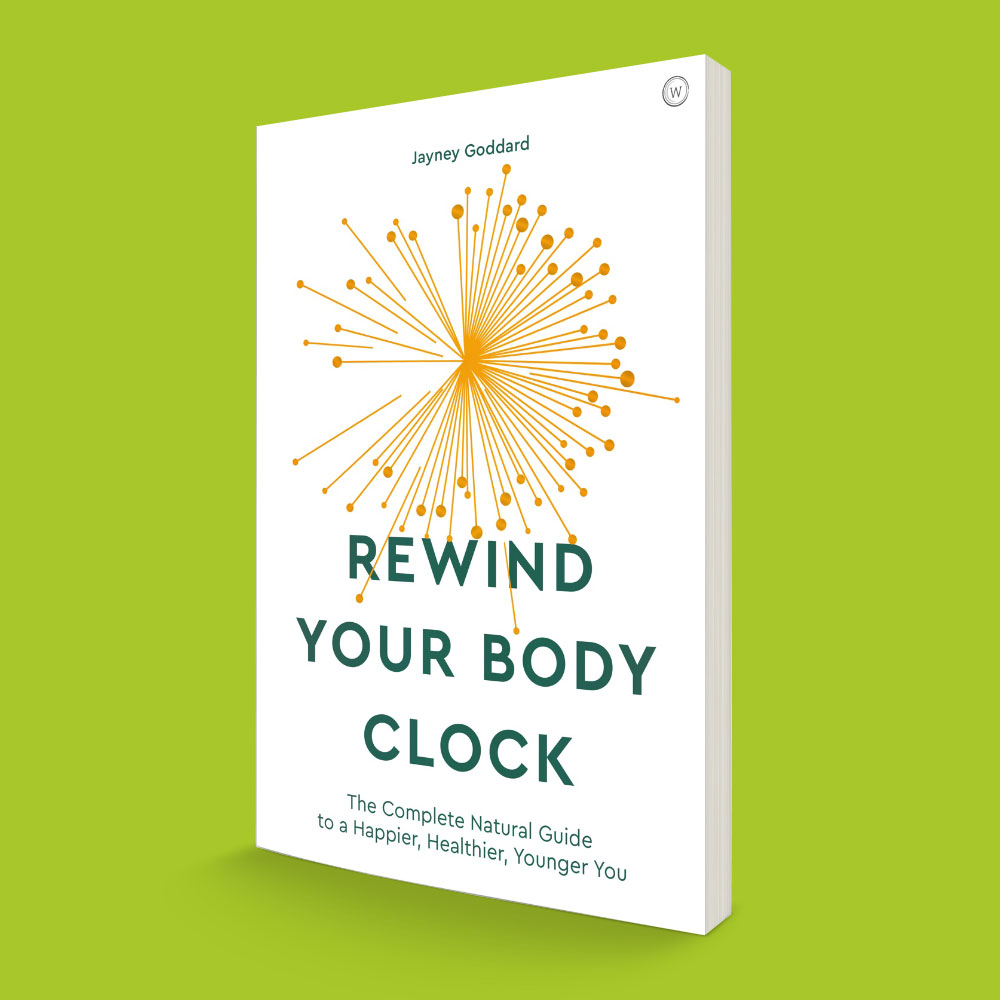
Try my 21 Day Rewind Plan – you’ll find it at the end of my latest book: Rewind Your Body Clock – The Complete Natural Guide to a Happier, Healthier, Younger You
References
[1] – https://www.health.harvard.edu/staying-healthy/longevity-lifestyle-strategies-for-living-a-healthy-long-life
[2] – https://www.aarp.org/health/healthy-living/worst-things-for-aging-skin/
[3] – https://www.jayneygoddard.org/bio-age-reversal-what-really-works/
[4] – https://www.pacificneuroscienceinstitute.org/brain-health/specialty-programs/healthy-aging/meditation-mindfullness-for-stress-reduction/
[5] – https://www.fountainlife.com/blog/how-to-test-your-biological-age
[6] – https://pmc.ncbi.nlm.nih.gov/articles/PMC11688636/
[7] – https://www.nature.com/articles/s42003-024-06328-w
[8] – https://www.aging-us.com/news-room/NEW-STUDY-Discovery-of-Chemical-Means-to-Reverse-Aging-and-Restore-Cellular-Function
[9] – https://www.liebertpub.com/doi/10.1089/cell.2023.0072
[10] – https://pmc.ncbi.nlm.nih.gov/articles/PMC11921816/
[11] – https://www.nature.com/articles/s41514-024-00138-4
[12] – https://pmc.ncbi.nlm.nih.gov/articles/PMC3370421/
[13] – https://med.stanford.edu/news/all-news/2015/01/telomere-extension-turns-back-aging-clock-in-cultured-cells.html
[14] – https://pmc.ncbi.nlm.nih.gov/articles/PMC4003832/
[15] – https://pmc.ncbi.nlm.nih.gov/articles/PMC3582127/
[16] – https://www.nature.com/articles/s41586-024-08026-3
[17] – https://www.health.harvard.edu/staying-healthy/strength-training-might-lengthen-life
[18] – https://www.prevention.com/fitness/a63238499/strength-training-adds-years-to-your-life-study/
[19] – https://www.insidetracker.com/a/articles/how-to-reverse-aging-naturally-and-improve-your-biological-age
[20] – https://pmc.ncbi.nlm.nih.gov/articles/PMC8658028/
[21] – https://www.healthline.com/nutrition/blue-zones
[22] – https://www.womansworld.com/weight-loss/diets/blue-zones-and-mediterranean-diets
[23] – https://www.nmn.com/news/the-anti-aging-supplements-dr-david-sinclair-takes-daily-nmn-included
[24] – https://longevity.technology/lifestyle/biological-age-diagnostics-deep-longevity-and-digital-health/
[25] – https://pmc.ncbi.nlm.nih.gov/articles/PMC8064200/
[26] – https://newsroom.clevelandclinic.org/2023/11/03/top-three-anti-aging-mistakes