
Complementary and Integrative Therapies for Weight Loss
In a world where weight management seems to be an unrelenting struggle for many, it’s no surprise that quick fixes are tempting. Social media is flooded with stories of miraculous transformations using semaglutide medications like Ozempic and Wegovy—originally developed for managing type 2 diabetes but now prescribed off-label for rapid weight loss. Yet, as with many shortcuts, these products often come with significant downsides. This is why I wanted to discuss the evidence-based data supporting the use of complementary and integrative therapies for weight loss.
As someone deeply committed to holistic wellbeing, I understand the appeal. But first, let’s just discuss this term “weight loss”. I’m certain that everyone who reads my books and articles understands that this term is simply shorthand for ‘reducing excess adiposity’. So, where we talk about weight and weight loss, please bear in mind that what we are really talking about is the reduction of excess body fat – where this desirable for health reasons (mentally, emotionally and physically). As we know, there are athletes who have very high body weight to hight ratio, yet they are not carrying any extra body fat at all. For this reason, BMI measurements are irrelevant in assessing athletes body composition. For those of us who are not elite athletes (me!), BMI can be somewhat helpful. But ultimately, a big part of the health picture is how we feel about ourselves. So, you’ll find no judgement from me in this article – we are simply examining complementary and integrative therapies for weight loss – so that we can move towards healthy body composition.
As we all know already, excess weight can carry not only physical but also emotional and psychological burdens. However, relying on a pharmacological solution rarely addresses the complex interplay of factors affecting weight. More importantly, it overlooks sustainable, nurturing ways to achieve health and vitality—methods that honour the whole person rather than focusing solely on shedding pounds.
The Unseen Costs of Quick Fixes
Medications like Ozempic and Wegovy work by altering appetite and insulin sensitivity, leading to reduced food intake. While the weight loss may appear impressive in the short term, the body’s natural mechanisms can rebel. People frequently experience unpleasant side effects such as nausea, diarrhoea, and fatigue. Beyond these physical symptoms, there’s a deeper concern: psychological dependency on medication.
When we place our hope entirely in a pill, we risk disempowering ourselves. If or when the medication is stopped, rebound weight regain is common—with fat tissue returning and expanding, often returning with a vengeance! Worse still, metabolic health can suffer as the body adjusts to fluctuating appetite and blood sugar control. This pattern of dependency and rebound weight can create a vicious cycle, leaving people feeling trapped desperate – and willing to do anything, often resorting to other drug solutions to lose weight again and as we know, these come with potentially devastating side effects.
Quick-fix solutions can never teach us how to truly listen to our bodies or cultivate the habits necessary for long-term wellbeing. In contrast, complementary and integrative therapies empower us to reconnect with ourselves—offering tools to restore balance, build resilience, and nourish the body, mind, and spirit.
Complementary and Integrative Therapies for Weight Loss – What Really Works?
True transformation comes when we address not just what we eat but also why we eat. Many people turn to food as a way of soothing difficult emotions, calming stress, or filling a sense of emptiness. Complementary therapies recognise these deeper drivers and help shift behaviours naturally by focusing on self-awareness, healing, and support.
One valuable approach involves mindful eating, often guided by mindfulness-based therapy. By bringing conscious awareness to every bite—paying attention to hunger cues, taste, and satiety—we relearn the body’s natural signals. This simple practice can dramatically reduce overeating and emotional eating. Over time, it builds trust in ourselves and strengthens a sense of control that doesn’t rely on willpower alone.
Similarly, stress reduction techniques such as yoga, meditation, and breathwork can lower cortisol levels. Cortisol is often dubbed the ‘stress hormone,’ and when chronically elevated, it drives fat accumulation around the abdomen. Restoring balance in the nervous system can help normalise metabolism, improve sleep, and reduce cravings—key components of sustainable weight loss.
The Role of Gut Health and Nutrition
Emerging research highlights the profound connection between gut health and weight regulation. The trillions of bacteria living in our digestive system influence not only digestion but also hormone production and appetite. Imbalances in gut flora are linked to weight gain, inflammation, and metabolic dysfunction.
Probiotics, prebiotics, and a nutrient-dense diet rich in fibre can help rebalance gut microbiota. Complementary practitioners often recommend fermented foods like kefir, sauerkraut, and kimchi to promote a healthy microbiome. These foods support digestion, reduce inflammation, and may even enhance mood—making healthy eating choices feel easier and more natural.
Additionally, ensuring blood sugar stability is critical for sustained energy and appetite control. Eating meals with balanced portions of protein, healthy fats, and complex carbohydrates helps prevent the blood sugar spikes and crashes that trigger cravings for sugary or processed foods. Nutritional therapy can offer personalised guidance, taking into account each person’s unique needs and sensitivities.
Movement for Joy, Not Punishment
Many people have a fraught relationship with exercise, seeing it as a form of penance for overeating. However, our bodies thrive on joyful, varied movement. Activities like dancing, hiking, swimming, or gentle stretching release endorphins—the body’s natural mood enhancers—and this helps regulate our appetite hormones.
Weight loss is often less about intense exercise regimens and more about consistency. Incorporating movement that you genuinely enjoy builds long-term habits. Over time, this contributes to a healthier metabolic rate, improved cardiovascular health, and greater emotional wellbeing.
Addressing Emotional and Psychological Patterns
Weight challenges often have deep emotional roots. Complementary therapies such as counselling, hypnotherapy, and Traditional Chinese Medicine (TCM) take a more comprehensive view of the body-mind connection. Hypnotherapy, for example, can help shift subconscious beliefs and patterns that may be sabotaging efforts to maintain a healthy weight.
In TCM, excess weight might be seen as a sign of imbalance in the body’s energy systems. Practitioners may identify issues related to ‘dampness,’ stagnation, or impaired digestion and use a combination of dietary advice, acupuncture, and lifestyle changes to restore harmony.
The key is understanding that emotional and physical imbalances need nurturing and care rather than quick suppression. When these underlying causes are addressed, changes in weight often happen naturally and sustainably. You might like to check out this article on my blog: My Five Ways to Manage Stress Easily
The Importance of Support and Community
One of the most overlooked factors in weight management is the role of social support. Studies consistently show that people who engage in healthy behaviours with friends, family, or community groups are more likely to succeed in achieving their health goals.
Support groups, whether in person or online, provide encouragement, accountability, and a sense of belonging. In integrative care, this sense of connection is invaluable. It counters the loneliness and isolation that often accompany weight struggles. Surrounding ourselves with positive, health-focused influences helps reinforce our commitment to self-care.
Long-Term Health Beyond the Scale – Further Thoughts on Complementary and Integrative Therapies for Weight Loss
Ultimately, weight is only one marker of health. A focus on overall vitality, resilience, and emotional wellbeing is far more rewarding than chasing an arbitrary number on the scale. When we prioritise sleep quality, balanced nutrition, stress management, and joyful movement, our bodies naturally gravitate towards their optimal state.
Sustainable weight management through complementary therapies isn’t about deprivation or punishment. It’s about embracing a kinder, more intuitive approach to health—one that honours our unique needs and rhythms. The journey may take time, but it offers profound rewards: renewed confidence, increased energy, and a deeper connection to the self.
Rather than falling for the allure of quick fixes, I encourage you to explore the many supportive complementary and integrative therapies that can guide you on this path. True transformation comes from within, and your body has an extraordinary capacity for healing when given the right care and attention.
Recommended Reading on Complementary and Integrative Therapies for Weight Loss
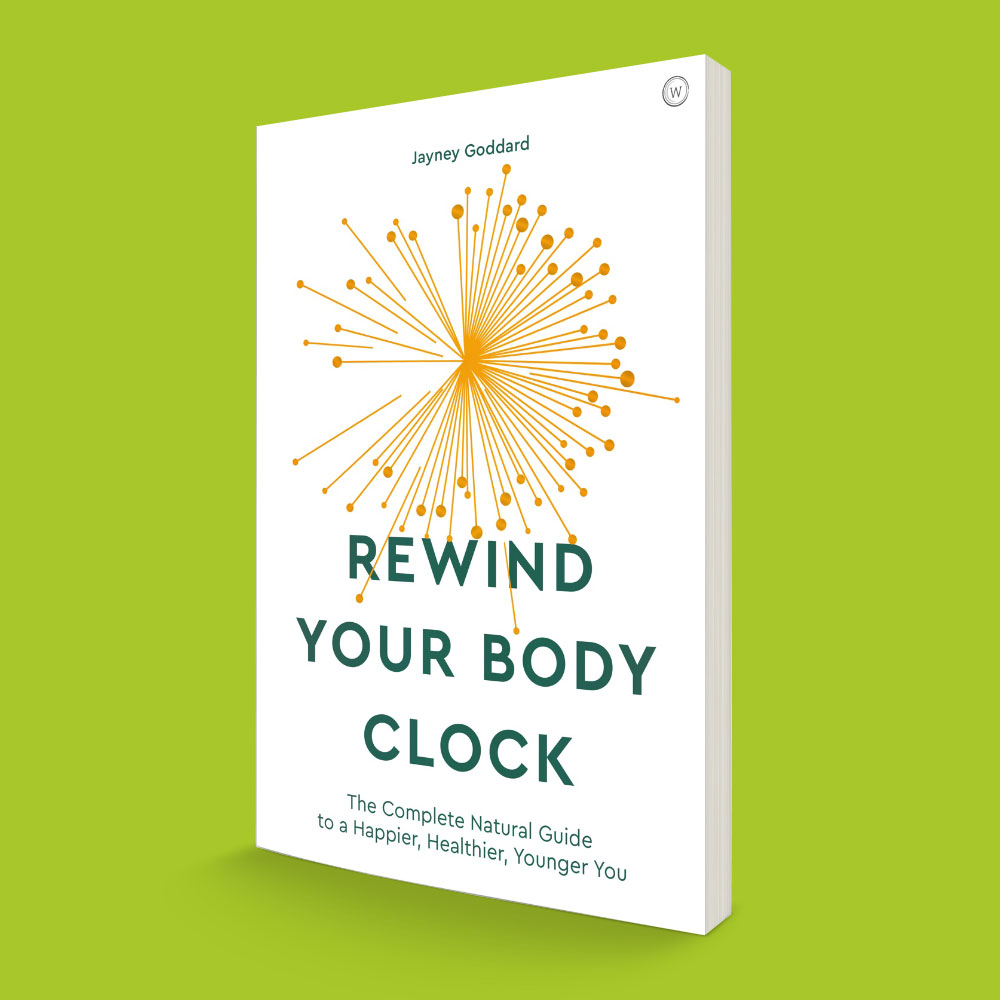
I have two book recommendations for you – the first of which, Dr Colin T Campbell calls “The most important book on obesity ever written”. It is “Weightless, Compassionate Weight Loss for Life” by Dr Frank Sabatino, and of course, I have to give my latest book a plug here too: “Rewind Your Body Clock: The Complete Natural Guide to a Happier, Healthier, Younger You“. Both these books feature fully research-based approaches to optimal health!
When looking for a supportive practitioner to help you on your sustainable weight loss journey, please consult The Complementary Medical Association’s database of fully qualified, expert practitioners. The-CMA.org.uk