Fibremaxxing: The Gut-Health Trend That Could Transform Your Wellbeing by Jayney Goddard MSc, FCMA, FRSM. President, The Complementary Medical Association
If you’ve been browsing wellness spaces online recently, you may have noticed the buzzword “fibremaxxing.” But what exactly does it mean, and is it something worth paying attention to? Let’s explore why this new trend could offer genuine health benefits – and how to do it safely.
What Is Fibremaxxing?
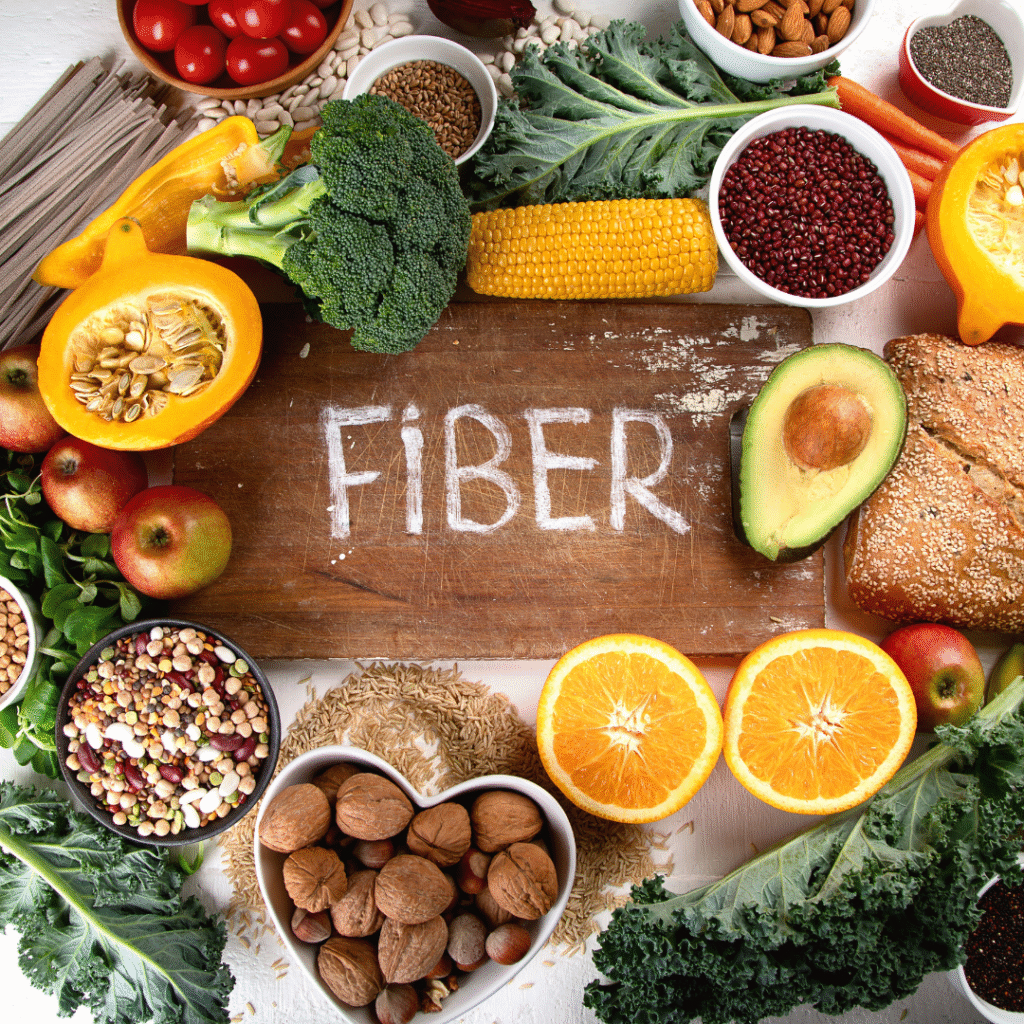
“Fibremaxxing” is the practice of deliberately increasing your dietary fibre intake, often by choosing more whole plant foods – vegetables, fruits, pulses, wholegrains, nuts, and seeds. The idea has gone viral on TikTok and other social media platforms, but unlike many fleeting wellness fads, this one actually has strong evidence behind it.
At its simplest, fibremaxxing is about getting closer to – or even surpassing – the recommended daily intake of fibre in order to experience the wide range of health benefits linked to a high-fibre diet. In a society where ultra-processed foods dominate, most people consume far less fibre than they need. Fibremaxxing flips this by making fibre the nutritional star of the plate.
Why Fibre Matters So Much
Fibre is an essential component of a healthy diet, yet it is often overlooked compared with protein or fats. Unlike other macronutrients, fibre is not digested in the small intestine. Instead, it reaches the large intestine intact, where it plays a critical role in digestive and systemic health.
Key benefits of fibre include:
- Digestive support: Fibre adds bulk to stools, helps regulate bowel movements, and reduces constipation.
- Blood sugar balance: Soluble fibre slows glucose absorption, reducing spikes and supporting metabolic health.
- Heart health: Soluble fibre binds cholesterol in the digestive tract, helping to reduce LDL (“bad”) cholesterol levels.
- Gut microbiome nourishment: Certain fibres act as prebiotics, feeding beneficial gut bacteria that produce short-chain fatty acids (SCFAs), which in turn reduce inflammation and improve immune resilience.
- Satiety and weight management: High-fibre meals promote fullness and reduce overeating by stabilising appetite hormones.
The Fibre Gap: How Much Do We Really Need?
In the UK, adults are advised to consume at least 30 grams of fibre per day. Shockingly, most people average only around 18 grams. This “fibre gap” is significant and may contribute to rising levels of obesity, type 2 diabetes, and bowel cancer. Globally, the World Health Organization highlights fibre intake as a cornerstone of chronic disease prevention.
Some evidence even suggests that aiming for 35–40 grams daily could confer additional benefits – particularly for gut health and reducing inflammation. Fibremaxxing encourages us to rethink our plate: rather than centring meals around protein or starches, we prioritise fibre-rich whole foods.
Different Types of Fibre – And Why They Matter
Not all fibres are the same. For optimal health, it’s important to consume a variety:
- Soluble fibre: Found in oats, beans, apples, carrots. It dissolves in water to form a gel-like substance that helps lower cholesterol and regulate blood sugar.
- Insoluble fibre: Found in wholegrains, nuts, seeds, and many vegetables. It adds bulk to stools and promotes regularity.
- Resistant starch: Present in cooked and cooled potatoes, green bananas, legumes, and wholegrains. It resists digestion and feeds gut bacteria, producing beneficial SCFAs.
- Prebiotic fibre: Found in onions, garlic, leeks, asparagus, and chicory root. Prebiotics selectively feed healthy gut bacteria such as Bifidobacteria and Lactobacilli.
Fibremaxxing is not about loading up on just one type of fibre but creating diversity on your plate. A colourful, plant-forward diet naturally delivers this balance.
Fibremaxxing and the Gut-Brain Connection
One of the most exciting areas of research concerns the gut-brain axis. The gut microbiome communicates directly with the nervous system via the vagus nerve and chemical messengers. A diet rich in fibre encourages the production of SCFAs such as butyrate, which not only reduce gut inflammation but may also influence mood, memory, and cognitive performance. This helps explain why higher fibre intake has been linked with lower rates of depression and anxiety in several observational studies.
Fibre and Biological Ageing
Emerging science suggests that fibre may play a role in slowing biological ageing. By reducing systemic inflammation, supporting metabolic flexibility, and enhancing gut health, fibre contributes to cellular resilience. Some studies indicate that individuals with higher fibre intake have longer telomeres (the protective caps on DNA strands that shorten with age). While more research is needed, this offers a compelling reason to embrace fibremaxxing as part of an age-defying lifestyle.
Practical Ways to Start Fibremaxxing
Transitioning to a fibre-rich diet should be gradual to avoid digestive discomfort. Here are practical steps:
- Begin with breakfast: Swap sugary cereals for overnight oats topped with berries, flaxseeds, and a spoonful of nut butter.
- Make friends with pulses: Add chickpeas to salads, lentils to soups, or kidney beans to stews.
- Choose wholegrains: Opt for brown rice, quinoa, bulgur wheat, or wholemeal bread instead of refined versions.
- Snack smart: Carry fruit, raw vegetable sticks, or roasted chickpeas instead of crisps or biscuits.
- Experiment with fibre-boosters: Add chia seeds, psyllium husk, or ground flaxseeds to smoothies and yoghurts.
- Drink water: Fibre absorbs water, so hydration is essential for comfort and regularity.
A Day in the Life of Fibremaxxing
Here’s what a fibremaxxing day might look like (totalling around 35–40 grams of fibre):
- Breakfast: Overnight oats with chia seeds, blueberries, and walnuts (10g fibre).
- Snack: Apple with almond butter (5g fibre).
- Lunch: Quinoa and lentil salad with roasted vegetables and tahini dressing (12g fibre).
- Snack: Carrot sticks with hummus (4g fibre).
- Dinner: Chickpea and spinach curry with brown rice (10g fibre).
Common Concerns and Myth-Busting
“Can you have too much fibre?” It is possible, though rare. Very high intakes (over 70g daily) may cause bloating, cramps, or mineral absorption issues. The key is balance and gradual increase.
“Do fibre supplements count?” While psyllium husk or inulin powders can help, whole foods deliver a broader range of nutrients and prebiotic fibres that supplements cannot fully replicate.
“Is fibremaxxing just another fad?” Unlike restrictive diets or single-ingredient trends, fibremaxxing is supported by decades of research. It is not about exclusion but inclusion – more plants, more variety, more nourishment.
Fibremaxxing, Sustainability, and Planetary Health
High-fibre diets are inherently plant-rich, making them better for the planet as well as for our bodies. Producing pulses, fruits, and vegetables typically requires fewer resources and generates fewer emissions compared to meat and dairy. By fibremaxxing, we are not only improving our personal wellbeing but also contributing to a more sustainable food system.
Making Fibremaxxing Work for You
Think of fibremaxxing not as a rigid “diet hack” but as a gentle shift towards balance. By steadily increasing your intake of natural, unprocessed plant foods, you can support your digestion, energy, and overall resilience. This is not about chasing a trend – it’s about reconnecting with the fundamental principles of good nutrition.
Would you like more guidance on nourishing your body naturally and slowing biological ageing through everyday choices? Subscribe to my newsletter for expert, evidence-based strategies to help you thrive.
Further Reading
Harvard T.H. Chan School of Public Health – The Nutrition Source: Fibre
Fruit Fear: Should we really be worried about nature’s sweet treats?
About the Author
Jayney Goddard MSc, FCMA, FRSM is recognised as one of the world’s leading experts in complementary and integrative medicine, biological age reversal, and natural approaches to health and wellbeing. President of The Complementary Medical Association, Jayney is an award-winning author, broadcaster, and keynote speaker. Her latest book, the No 1 international bestseller, Rewind Your Body Clock: The Complete Natural Guide to a Happier, Healthier, Younger You, explores evidence-based strategies for slowing and even reversing biological ageing.
Jayney is dedicated to helping people take charge of their health through science-backed, natural approaches that empower lasting vitality.
Subscribe to Jayney’s free weekly newsletter for the latest evidence-based natural health insights, wellbeing tips, and practical guidance to help you feel your very best.