
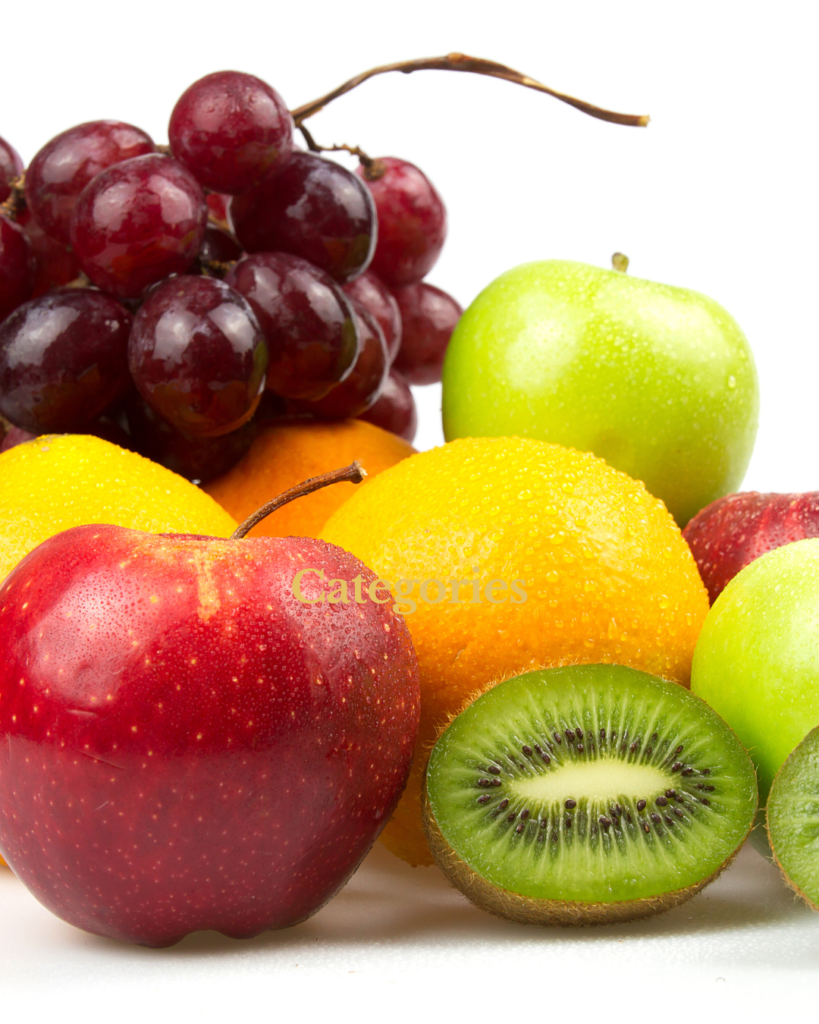
Fruit Fear: Should We Really Be Worried About Nature’s Sweet Treats?
In the world of health and nutrition, it often feels like we’re navigating a minefield. One minute a food is lauded as a hero, the next it’s demonised. Lately, fruit seems to have fallen victim to this cycle, with alarming headlines and social media posts suggesting its natural sugars are sabotaging our health, contributing to weight gain, and even fuelling disease. It’s enough to make anyone pause before reaching for an apple.
But amidst this cacophony of conflicting advice, much of it frankly misleading, it’s crucial we take a step back, breathe, and look at the actual evidence. Should we genuinely be afraid of eating fruit? As someone who has spent decades analysing health information, let me guide you through the noise and separate the facts from the fear-mongering.
The Root of the Confusion: The Sugar Story
Much of the anxiety surrounding fruit stems from its sugar content, primarily fructose. We know, quite rightly, that high consumption of added sugars – the refined sugars found in processed foods, sugary drinks, and sweets – is detrimental to health. It’s linked to weight gain, insulin resistance, type 2 diabetes, heart disease, and a host of other chronic conditions.
The mistake, however, lies in equating the sugar naturally present in a whole piece of fruit with the free sugars added to processed items. It’s like comparing a complex, finely tuned orchestra to a single, blaring trumpet. They simply aren’t the same.
Why Whole Fruit is a Different Proposition Entirely
Fibre: This is perhaps the most critical differentiator. The fibre in fruit slows down the absorption of sugar into the bloodstream, preventing the rapid blood sugar spikes associated with refined sugars. It also promotes satiety (helping you feel full), supports healthy digestion, and feeds beneficial gut bacteria.
When you eat a piece of whole fruit – an orange, a handful of berries, a pear – you’re not just consuming sugar. You’re consuming that sugar within a remarkable, intricate package designed by nature. This package includes:
Water: Fruit has a high water content, contributing to hydration and further promoting feelings of fullness, which can help regulate appetite.
Vitamins and Minerals: Fruit is a powerhouse of essential micronutrients – Vitamin C, potassium, folate, and many others – vital for countless bodily functions, from immune support to energy production.
Phytonutrients: These are the compounds that give fruits their vibrant colours – think the deep blue of blueberries or the rich red of raspberries. These antioxidants and anti-inflammatory compounds (like flavonoids and polyphenols) offer profound protection against cellular damage and chronic disease.
This combination – the fibre, water, vitamins, minerals, and phytonutrients – works synergistically. They modify how the body processes the fruit’s natural sugars and provide immense health benefits that far outweigh concerns about the sugar in isolation. This reductionist thinking, focusing solely on one component (sugar) while ignoring the whole food matrix, is where much of the confusion arises.
What Does the Broader Scientific Evidence Actually Show?
Instead of relying on sensationalist headlines or isolated anecdotes, let’s look at large-scale, long-term population studies (epidemiology) and clinical reviews. The science here is remarkably consistent and points in the opposite direction of the fruit fear narrative:
Reduced Disease Risk: Higher fruit consumption is consistently linked with a lower risk of major chronic diseases, including heart disease, stroke, high blood pressure, and certain types of cancer.
Weight Management: While anything consumed in excess can contribute to weight gain, studies generally show that people who eat more fruit tend to have healthier body weights or find it easier to manage their weight. The fibre and water contribute significantly to satiety. Blaming fruit for weight gain often ignores the bigger picture of overall diet and lifestyle.
Diabetes: Contrary to the myth that fruit is ‘bad’ for diabetics, research suggests whole fruit consumption is associated with a reduced risk of developing type 2 diabetes. For those already diagnosed, moderate intake of whole fruits is generally encouraged as part of a balanced diet, precisely because the fibre helps manage blood sugar levels. (Note: Fruit juice is a different matter, lacking fibre and concentrating sugars, and should be limited).
Cutting Through Specific Myths
“Fruit sugar feeds cancer/candida”: This is a gross oversimplification. While it’s true in vitro (in a lab dish) that cancer cells and yeasts can utilise sugar, avoiding nutrient-dense whole fruits based on this theory is misguided and potentially harmful. The vast array of protective phytonutrients and vitamins in fruit, combined with fibre, contributes to an overall healthier internal environment that is less conducive to disease. Depriving your body of these beneficial compounds could be counterproductive. Complex conditions always require nuanced, individualised advice from qualified professionals, not blanket food avoidance based on online myths.
“You should only eat low-sugar fruits”: While different fruits have varying sugar contents, the focus should be on variety (“eating the rainbow”) to maximise nutrient intake. Berries might be lower in sugar than bananas, but bananas offer excellent potassium and prebiotic fibre. Both have their place. Worrying excessively about the specific sugar grams in different whole fruits misses the forest for the trees.
Finding the Sensible Path Forward
So, how do we incorporate fruit sensibly into a healthy diet?
Prioritise Whole Fruits: Choose fresh or frozen whole fruits over juices, smoothies (which can concentrate sugar and sometimes remove fibre), and dried fruits (which are concentrated in sugar and easy to overeat).
Embrace Variety: Different fruits offer different nutrient profiles. Aim for a wide range of colours and types.
Listen to Your Body: Pay attention to how different foods make you feel. While fruit is generally beneficial, individual tolerances can vary.
Consider Context: Fruit is one part of your overall diet. Balance it with plenty of vegetables, lean proteins, healthy fats, and whole grains.
Be Mindful, Not Fearful: Enjoy fruit as part of your meals or as snacks. There’s no need for alarm bells every time you eat a banana. Common sense regarding portion sizes naturally applies, as it does to all foods.
My final thoughts on navigating misinformation regarding “Fruit Fear”
The overwhelming body of scientific evidence does not support the idea that we should fear eating whole fruit. On the contrary, it consistently demonstrates significant health benefits. The anxieties largely stem from a misunderstanding – conflating natural sugars within the complex matrix of whole fruit with the detrimental effects of added, refined sugars.
Let’s move beyond the fear-mongering and embrace the delicious, nutrient-packed goodness that fruit offers. It’s time to trust the robust evidence and common sense, and enjoy nature’s sweet gifts as part of a balanced, health-promoting diet. Don’t let misinformation rob you of these vital, protective foods.
Please let me what you think about consuming fruit. Have I explained enough in this article, or do you still have questions I can help with? If so, let me know below.
With love and best wishes as always,
Jayney xoxo
Further reading:
Fruit Prevents Erectile Dysfunction