
By Jayney Goddard
In recent years, seed oils have been at the centre of a heated debate in the wellness community. You’ve likely seen headlines or social media posts claiming that oils such as sunflower, canola, and soybean are toxic, inflammatory, or even dangerous. At the same time, many health authorities and nutrition experts promote them as heart-healthy staples. So, which is it?
The truth, as is so often the case in nutrition science, is more nuanced. In this article, we’ll explore the facts, unpack the controversy, and offer practical guidance on how to include seed oils in a health-promoting lifestyle.
Understanding the Controversy
The main concern surrounding seed oils stems from their omega-6 fatty acid content. Omega-6s are essential polyunsaturated fats – we need them for healthy brain function, skin and hair growth, metabolism, and reproductive health. However, the typical modern diet tends to be overly rich in omega-6s and poor in omega-3s (found in oily fish (but I don’t recommend eating any animal protein as it comes with its own set of other problems, ethically, health-wise and ecologically), walnuts, and flaxseeds. This imbalance can promote chronic inflammation, which is associated with a range of health concerns, from heart disease to autoimmune conditions.
This issue – the ratio of omega-6 to omega-3 fatty acids – has led some wellness advocates to demonise seed oils altogether. But this is an oversimplification. The issue is not with seed oils per se, but with the overall dietary pattern in which they are consumed.
A Brief History: How Seed Oils Took Centre Stage
The rise of seed oils began in the early 20th century, when industrial processing allowed for mass production of vegetable oils from crops like cottonseed, corn, and soybeans. These oils were promoted as heart-healthy alternatives to saturated fats such as lard and butter, especially from the 1950s onward, when dietary fat became public health enemy number one.
By the 1970s and 1980s, margarine and vegetable oil were kitchen staples – and government dietary guidelines encouraged this shift. Fast-forward to today, and seed oils are in everything from salad dressings to biscuits, crisps, and convenience meals. Naturally, this widespread presence has raised concerns, especially around the refining process and consumption in ultra-processed foods.
What Does the Science Say?
A 2019 study published in JAMA Internal Medicine found that replacing saturated fats like butter with plant-based oils was associated with a 17% lower risk of early death. This echoes findings from the Harvard T.H. Chan School of Public Health, which recommends unsaturated fats from plant oils in place of saturated and trans fats for cardiovascular health.
Additionally, seed oils provide vitamin E, an antioxidant important for immune function and skin health. Some, like flaxseed oil, also offer alpha-linolenic acid (ALA) – a plant-based omega-3 fatty acid.
It’s important to note, though, that not all seed oils are created equal. Cold-pressed and organic oils retain more of their nutritional value compared to highly refined versions used in processed foods.
Are All Seed Oils the Same?
No. The term “seed oils” is quite broad and includes oils with varying nutritional profiles. Here’s a brief overview:
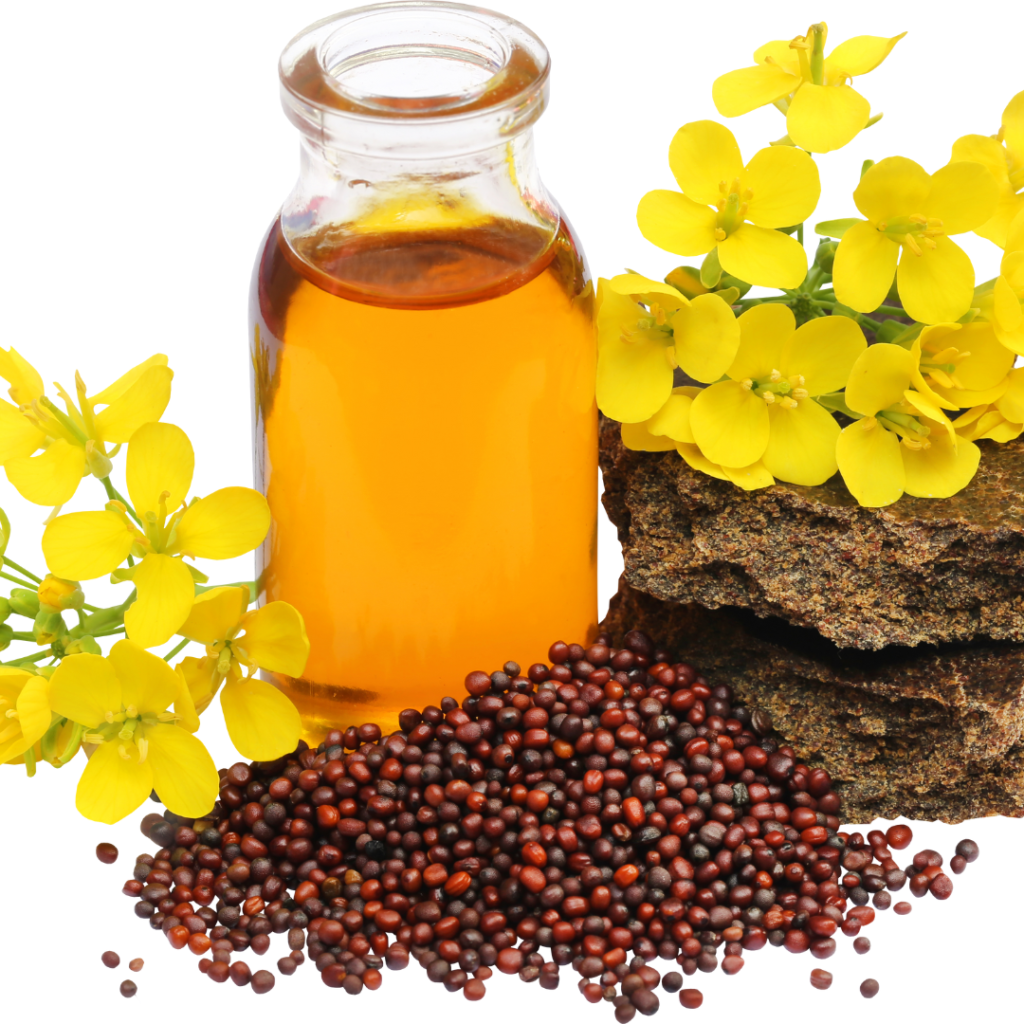
- Canola oil (from the rapeseed plant): Low in saturated fat and a good source of monounsaturated fats and ALA.
- Sunflower oil: High in vitamin E and linoleic acid (an omega-6 fat).
- Flaxseed oil: One of the richest plant sources of omega-3s.
- Grapeseed oil: High in polyunsaturated fats; often used in cooking due to its high smoke point.
- Soybean oil: Widely used in processed foods; provides both omega-6 and some omega-3.
While most seed oils contain more omega-6 than omega-3, that doesn’t make them inherently harmful. It’s the overall dietary pattern and balance between omega-6 and omega-3 that matters most.
Common Misconceptions
Let’s look at a few popular claims and the evidence behind them:
“Seed oils are toxic.”
This is not supported by the scientific literature. While highly processed oils may degrade under high heat, moderate use of cold-pressed oils at home is not associated with toxicity.
“They cause inflammation.”
Excess omega-6s without sufficient omega-3s can tip the body toward a pro-inflammatory state. However, studies show that linoleic acid (the main omega-6 fat in seed oils) does not increase inflammatory markers in healthy individuals when consumed as part of a balanced diet.
“Traditional fats like coconut oil are healthier.”
These fats can be part of a healthy diet too – especially when minimally processed. But saturated fats are still linked to higher LDL cholesterol levels, so variety and moderation are key.
Practical Tips: Using Seed Oils Healthily
Rather than avoiding seed oils altogether, you can use them strategically for taste, texture, and health benefits. Here are some tips:
- Use in moderation: Seed oils are calorie-dense. A little goes a long way in salad dressings or light sautéing.
- Balance your fats: Include omega-3-rich foods like flaxseeds, chia seeds, and walnuts.
- Opt for quality: Choose cold-pressed, organic, and unrefined oils when possible.
- Avoid ultra-processed sources: The problem often lies not in the seed oil itself, but in the ultra-processed foods in which it’s found.
- Mix it up: e.g. Olive oil and avocado oil can be used alongside seed oils for diversity in your diet.
Final Thoughts: Empowered, Balanced Choices
As with many nutrition debates, the controversy over seed oils has become polarised – but real health is never about extremes. Seed oils, especially when used in moderation and chosen mindfully, can contribute to a health-supportive diet.
The key takeaway? Don’t fall into fear-based nutrition. Choose whole, minimally processed foods as the foundation of your diet, include a variety of healthy fats, and focus on balance rather than restriction. When in doubt, listen to your body and nourish it with love and evidence-based care.
Further Reading
- Harvard T.H. Chan School of Public Health: Fats and Cholesterol
- JAMA Internal Medicine Study on Plant-Based Oils
Also:
Take a look at last week’s controversial myth-busting article on “Fruit Fear: Should we really be worried about nature’s sweet treats?”
What do you think about seed oils – do you use them, are you eliminating them? Let me know below.
With love,
Jayney xoxo