
Menopause is a significant life transition affecting women worldwide, with symptoms varying greatly. In the UK and USA, up to 75% of women experience hot flushes, night sweats, mood swings, weight gain, and sleep disturbances during this time.
But there’s good news! Natural approaches can effectively alleviate these symptoms and support overall well-being during menopause.
Hormonal Balance is Vital!
Hormonal balance is a fine thing – and it becomes a tricky balancing act at peri-menopause and menopause time. The problem is that so many of the symptoms of menopause such as insomnia and inflammation all contribute to making other menopausal symptoms worse – such as the dreaded belly-fat gain!
What is a girl to do?
In this article I hope to provide you with realistic help that you CAN do – regardless of how tired and wrung out you currently feel. Please accept this gift of information and do share with anyone who might benefit. – with love, Jayney.
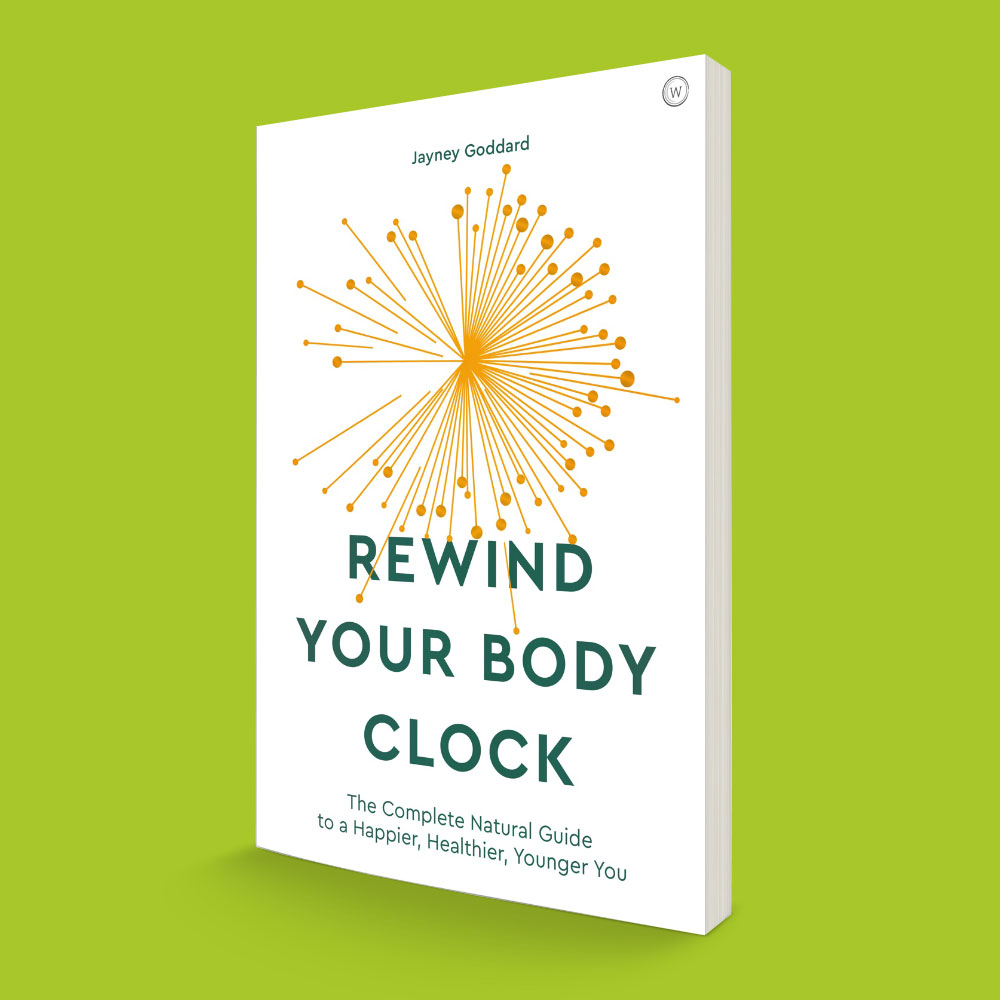
Let’s explore evidence-based strategies for managing menopausal symptoms naturally and you can read much more in my latest book Rewind Your Body Clock: The Complete Natural Guide to a Happier, Healthier, Younger You.
Embrace Plant Power for Menopause Relief
A whole-food, plant-based diet can work wonders for menopausal symptoms. Foods rich in phytoestrogens, such as soya, lentils, chickpeas, and flaxseeds, may help balance hormones naturally. These plant compounds mimic oestrogen in the body, potentially reducing the frequency and intensity of hot flushes.
Cruciferous vegetables like broccoli, cauliflower, and cabbage contain indole-3-carbinol, which supports liver function and helps metabolise hormones effectively. Including a variety of colourful fruits and vegetables ensures you’re getting a wide range of antioxidants, vitamins, and minerals to support overall menopausal health.
Stay Hydrated to Manage Menopause Symptoms
Proper hydration is crucial during menopause. Drinking plenty of water throughout the day can help regulate body temperature and may reduce the frequency of hot flushes. Herbal teas, particularly those containing sage or black cohosh, have been traditionally used to alleviate menopausal symptoms.
Exercise for Menopause Symptom Relief
Regular exercise is a powerful tool for managing menopausal symptoms. Activities like brisk walking, swimming, or yoga can help maintain a healthy weight, improve mood, and promote better sleep. Weight-bearing exercises and strength training are particularly important for maintaining bone density, which can decrease during menopause.
Prioritise Sleep During Menopause
Good sleep hygiene is essential during menopause. Establish a consistent bedtime routine, keep your bedroom cool and dark, and avoid screens before bed. If night sweats are an issue, consider using breathable, natural fibre bedding and sleepwear.
Manage Stress to Reduce Menopause Symptoms
Stress can exacerbate menopausal symptoms, so finding effective ways to manage it is crucial. Practices like meditation, deep breathing exercises, or mindfulness can be incredibly beneficial. Many women find that regular sessions of yoga or tai chi help to reduce stress and improve overall well-being during menopause. Why not take advantage of some of my free give-aways on this site – such as my Relaxation Response instructional recording.
Herbal Allies for Menopause Relief
Several herbs have been traditionally used to support women during menopause. Black cohosh, red clover, and dong quai are among the most well-known. However, it’s important to consult with a qualified herbalist or naturopath before using these, as they may not be suitable for everyone. You can find a full list over at The Complementary Medical Association website, or contact me via this site.
Essential Fatty Acids for Menopausal Health
Omega-3 fatty acids, found in flaxseeds, chia seeds, and walnuts, may help reduce the frequency of hot flushes and support heart health. These healthy fats also contribute to skin health, which can be affected during menopause.
Mind Your Minerals During Menopause
Ensuring adequate intake of certain minerals can be beneficial during menopause. Magnesium, found in leafy greens, nuts, and seeds, may help with sleep issues and mood swings. Calcium and vitamin D are crucial for bone health, so include plenty of leafy greens, fortified plant milks, and consider safe sun exposure or supplementation for vitamin D.
Why Do Some Women Experience Fewer Menopause Symptoms?
Interestingly, women in some cultures report fewer menopausal symptoms than those in Western countries like the UK and USA. For instance, studies have shown that women in Japan experience significantly fewer hot flushes compared to their Western counterparts. This disparity has led researchers to explore potential reasons for these differences.
One theory suggests that diet plays a crucial role. Traditional Japanese diets are rich in soya products, which contain high levels of phytoestrogens. These plant compounds may help ease the transition into menopause by providing a natural source of oestrogen-like substances.
Another factor could be cultural attitudes towards ageing and menopause. In many Asian and indigenous cultures, menopause is viewed as a natural transition, often associated with increased wisdom and social status. This positive outlook may contribute to a less stressful experience of menopause.
Lifestyle factors such as regular physical activity, lower obesity rates, and lower alcohol consumption in some cultures may also contribute to easier menopausal transitions.
Embracing Your Menopausal Journey
Remember, every woman’s experience of menopause is unique. What works for one may not work for another, so it’s important to be patient and explore different strategies to find what suits you best.
While these natural approaches can be incredibly effective, it’s always wise to work with a healthcare practitioner who is knowledgeable about menopause and natural therapies. They can provide personalised advice and ensure that any approach you take is safe and appropriate for your individual needs.
Menopause is not an illness to be treated, but a natural life transition to be embraced. By adopting a holistic approach that nourishes your body, mind, and spirit, you can navigate this journey with grace and vitality. Here’s to your health and well-being during this transformative time!
If you’d like to learn more about managing menopause naturally please sign up for my weekly newsletter to receive regular tips and advice on holistic health approaches for women.
Also – please let me know below if you have tried any of the approaches I mention above – how have they worked for you? Do let me know if there are other topics you’d like me to cover.
Much love
Jayney xoxo
PS: A quick FYI – the link to my book above is an affiliate link – which means that if you order my book using that link, I may get a few pennies by way of a “thank you” from Amazon. The price you pay is not affected in any way at all. Thank you for buying my book and if you have a moment, please could you leave me a review? Thanks in advance! Jxx