Unlock Your Brain Clock for Longevity
You’ve likely wondered why some people seem to sail through middle age with sharp minds, while others visibly slow down. It turns out, your biological brain age—not just your birth year—may hold the answer. A groundbreaking new study from Stanford Medicine, published in Nature Medicine in July 2025, reveals that a simple blood test can accurately determine how old your organs are—especially your brain—and that this has profound implications for ageing, disease, and lifespan.
Here’s what makes this news so important for us:
- Real-world validation: The study analysed data from nearly 45,000 UK Biobank participants aged 40–70, tracking them for up to 17 years.
- Targeted insight: It used blood-based protein signatures to estimate the age of 11 separate organ systems—from heart and lungs to brain and immune system.
- Brain’s outsized role: Having an “extremely aged” brain (top 6–7% for age) correlated with a 182% increased risk of death within 15 years and a 12× increased Alzheimer’s risk, compared with people with youthful brains.
- Empowering prevention: Unlike genetic scans, protein-based organ-age tests are influenced by things we can change—like exercise, diet, sleep and stress.
In short: your brain’s biological age drastically affects your future health and longevity. But the best news? You don’t have to wait for commercial tests or lab breakthroughs—today we already have natural, proven strategies to preserve brain health and potentially turn back its biological clock.
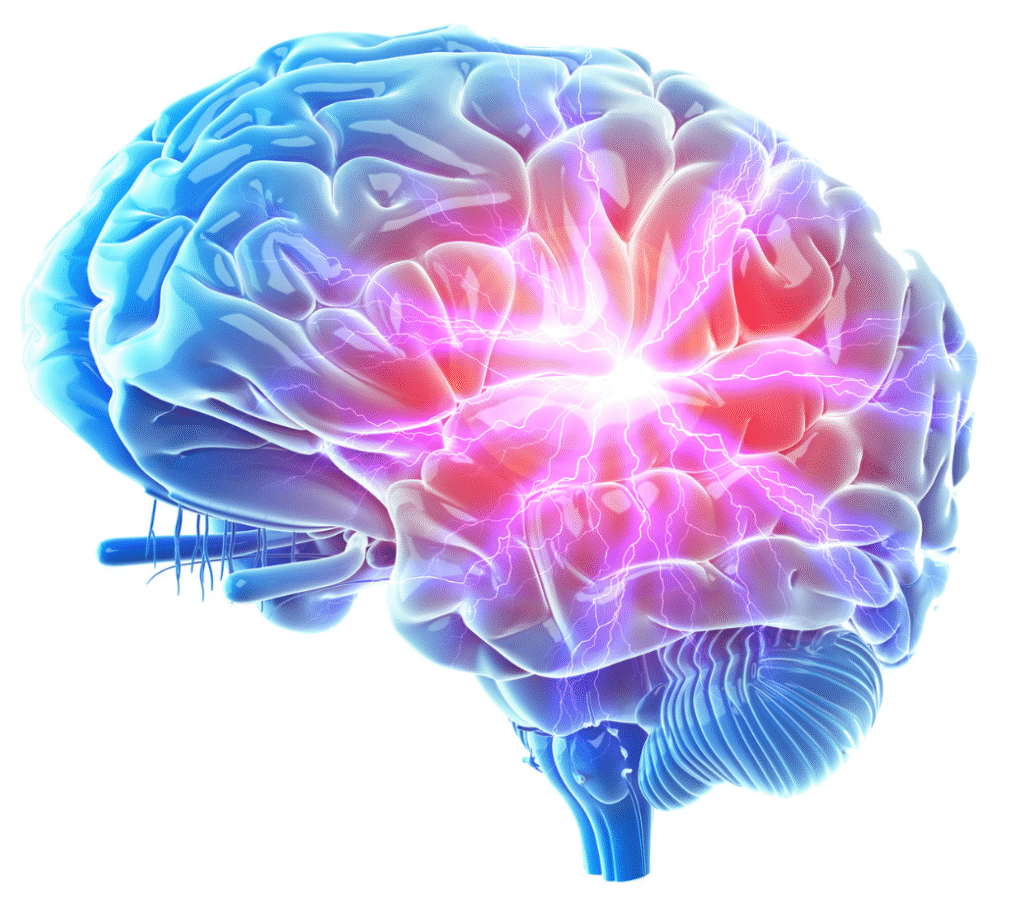
The brain is the gatekeeper of longevity. Older brains have an increased likelihood of mortality. If you’ve got a young brain, you’re likely to live longer.
Why Your Brain Is the “Gatekeeper of Longevity”
Dr Tony Wyss‑Coray, director of Stanford’s Knight Initiative for Brain Resilience, explains that the brain isn’t just another organ—it orchestrates everything from hormone balance and immunity to movement and cognition. If it ages prematurely, it pulls down other systems and increases your risk of disease or death.
The study’s machine‑learning algorithm compared blood protein signatures across 11 organs and found that brain age emerged as the single strongest predictor of both disease—especially Alzheimer’s—and overall mortality. Those with youthful brains also tended to have youthful immune systems, and that combination cut mortality in half over 17 years .
How the Test Works (In Plain English)
- Protein profiling: Blood samples were analysed for nearly 3,000 plasma proteins, including organ-specific markers.
- Algorithmic comparison: AI compared each profile to age-adjusted norms from the cohort to assign a “biological age” to individual organs.
- Risk stratification: Anyone with organ signatures more than 1.5 standard deviations above average (top 6–7%) was identified as having an “extremely aged” organ.
- Long‑term outcomes: Those individuals were far more likely to develop organ‑specific diseases—like Alzheimer’s for aged brains—and had significantly higher mortality rates.
What This Could Mean for Us Soon
- Health check-ups go inside: Eventually, you could have a simple annual blood test that detects early ageing in organs—before disease even shows up.
- Personalised interventions: If your brain or immune system looks older than expected, tailored lifestyle or medical plans could help slow or reverse that trend.
- Pre‑emptive medicine: Scientists are now exploring interventions—from nutrition and exercise to pharmaceuticals—to test whether they can actually reverse these protein age markers.
Eight Proven Natural Ways to Keep Your Brain Youthful
While organ-age testing is developing, let me remind you: there’s plenty you can do right now to support a vibrant, resilient brain. These strategies are backed by peer‑reviewed science and are well-researched enough to recommend with confidence.
1. Mediterranean-Style Diet with Brain Boosters
- Omega‑3s: Consider high-grade plant based supplements. A 2025 Guardian trial showed omega‑3 reduced biological ageing pace .
- Polyphenol-rich foods: Berries, dark leafy greens, green tea and turmeric protect neurons through anti-inflammatory and antioxidant effects.
- Limit processed foods and sugars: High sugar intake is associated with accelerated cognitive decline and increased dementia risk.
2. Physical Exercise: Moving Your Way to a Younger Brain
- Aerobic exercise (150 minutes/week) boosts cerebral blood flow and increases levels of BDNF—a protein that supports neuron survival.
- Strength training preserves muscle and improves metabolic health. It also releases growth factors that may aid brain plasticity.
- Mind‑body practices like yoga, Qi Gong or Tai Chi have been shown to increase grey matter volume and slow telomere shortening .
3. Quality Sleep & Mindful Stress Management
- Deep sleep is the brain’s detox time. Aiming for 7–9 hours per night ensures the glymphatic system can remove harmful proteins like beta-amyloid.
- Regular meditation improves brain structure and function in areas responsible for attention and emotion regulation.
- Stress reduction techniques, including breathwork and mindfulness, reduce cortisol, which otherwise damages brain structures over time.
4. Social & Intellectual Stimulation
- Lifelong learning—whether through languages, instruments or hobbies—challenges your brain, builds new neural connections, and increases “cognitive reserve”.
- Social connections are as protective as exercise for the aging brain. Strong social engagement correlates with reduced risk of dementia and earlier mortality .
- Purposeful work or volunteering provides cognitive stimulation and emotional balance.
5. Optimal Vascular & Cardiometabolic Health
- Cardio & resistance training help maintain blood vessel function and reduce vascular ageing—crucial to brain health.
- Blood sugar control: Diets low in refined carbohydrates help avoid spikes that damage neurons over time.
- Regular check-ups: Monitor blood pressure, cholesterol, HbA1c and Homocysteine levels as indicators of vascular health.
6. Supplements of Interest
While supplements can’t replace whole-food nutrition, some have good supporting data:
- Nicotinamide riboside (NR) / NMN: NAD+ precursors that support cellular repair. They’ve shown benefits in animal models and early human trials.
- Resveratrol & curcumin: Polyphenols known for anti-inflammatory and neuroprotective benefits.
- Vitamin D & B vitamins: Low vitamin D is linked to cognitive decline; B vitamins support homocysteine metabolism.
7. Epigenetic, Microbiome & Biomarker Tracking
- Epigenetic clocks like GrimAge or DunedinPACE can help you chart if your lifestyle choices are affecting biological ageing.
- Gut–brain axis: A healthy microbiome (through fermented foods, fibre, probiotics) supports inflammation control and even sleep quality.
- Biomarker panels: Measuring inflammation (CRP), oxidative stress or metabolic markers helps guide targeted improvements.
8. Prevent Brain-Injuring Habits
- Avoid smoking and excessive alcohol—both accelerate cognitive decline.
- Protect your head: Prevent traumatic brain injury with helmets and fall precautions.
- Limit harmful medications: Avoid anticholinergics when possible—they’re linked to memory impairment and dementia risk.
How to Apply These Insights This Week
- Baseline assessment
- Understand your biological aging trajectory (take my Biological Age Tests – see the tab above) and track key blood markers—cholesterol, HbA1c, CRP.
- Build your personalised plan
- Use a Mediterranean-style eating guideline and add plant based omega‑3s, B12 and Vitamin D.
- Walk, cycle or swim for 30 minutes, 5× a week—and add 3 days of resistance training.
- Try 12 minutes of meditation daily and social connection or hobby engagement weekly.
- Prioritise sleep routines and cognitive work like puzzles or language apps.
- Track & review
- After 3–6 months, re-run epigenetic clock, cognitive tests and biomarkers.
- Adjust diet (more polyphenols), sleep (earlier bedtime), supplements or stress tools as needed.
- Re-test & refine
- Revisit goals every 6 months, tweak based on progress.
- Keep notebook/log to track energy, mood, mental clarity—often the best signs of improvement.
The Big Picture: Prevention Is the New Practice of Medicine
What Stanford’s organ-age test heralds is a shift from reactive to proactive healthcare—monitoring hidden biological age and acting before symptoms emerge. While this tool isn’t yet commercially available, the natural practices we’ve covered today already help slow brain ageing and support longevity.
You don’t need a cutting-edge blood test to begin:
- Healthy food, exercise, sleep and stress control are proven safeguards.
- Learning, socialising and purpose add neural resilience.
- Simple supplements and monitoring can give you early warning signs.
By combining these with future-ready tools like epigenetic clocks and organ-aging tests, you become the driver of your healthspan—actively shaping a future where you’re not just older, but wiser, sharper and more vibrant.
Summary
- Stanford’s discovery: Brain biological age is a powerful predictor of longevity, far more than age, gender or genes
- Estimates come from blood proteins, indicating age-related decline in specific organs.
- Your brain’s condition influences your risk of dementia, disease and early death by a remarkable margin.
- You have agency: lifestyle, diet, exercise, sleep and social engagement all directly influence brain ageing.
- Healthcare is evolving: We’re moving toward early detection, monitoring hidden ageing and preventing disease before it starts.
Next Steps for Readers
- Biological Age Test: Use the tools here on my site to find out your biological brain age.
- Commit to a 6‑month longevity plan: Focus on one brain-boosting pillar per month.
- Stay informed: Future developments—like organ-age tests, senolytics, NAD boosters—will soon be part of medical care. Being prepared gives you a head start.
Let me know below if you’d like a printable worksheet, workshop, or deeper guide on supplements, epigenetics or brain-age testing. Here’s to ageing with strength, clarity and purpose.
Jayney xoxo