Vagus Nerve Stimulation Devices: 7 Surprising Truths the Marketing Doesn’t Tell You
By Jayney Goddard MSc, PG Dip Ed, FCMA, FRSM
Recently, I have noticed something curious.
Almost every day, while browsing online, I am shown adverts for elegant little devices that clip gently onto the ear — usually onto the small flap of cartilage at the front of the ear structure, called the tragus. The promise is always reassuringly similar. These devices, we are told, can calm the nervous system, improve sleep, reduce anxiety, lower inflammation, and even help support healthy ageing.
It is an appealing idea. After all, many people today live in a near-constant state of nervous system overload. The thought that something so simple might help restore balance is understandably attractive.
But whenever I see claims like this, I return to the same essential question:
What does the scientific evidence actually show?
Because while the vagus nerve itself is very real, and profoundly important, the leap from medical science to consumer gadget is not always as straightforward as marketing suggests.
1) Why the Vagus Nerve Matters So Much
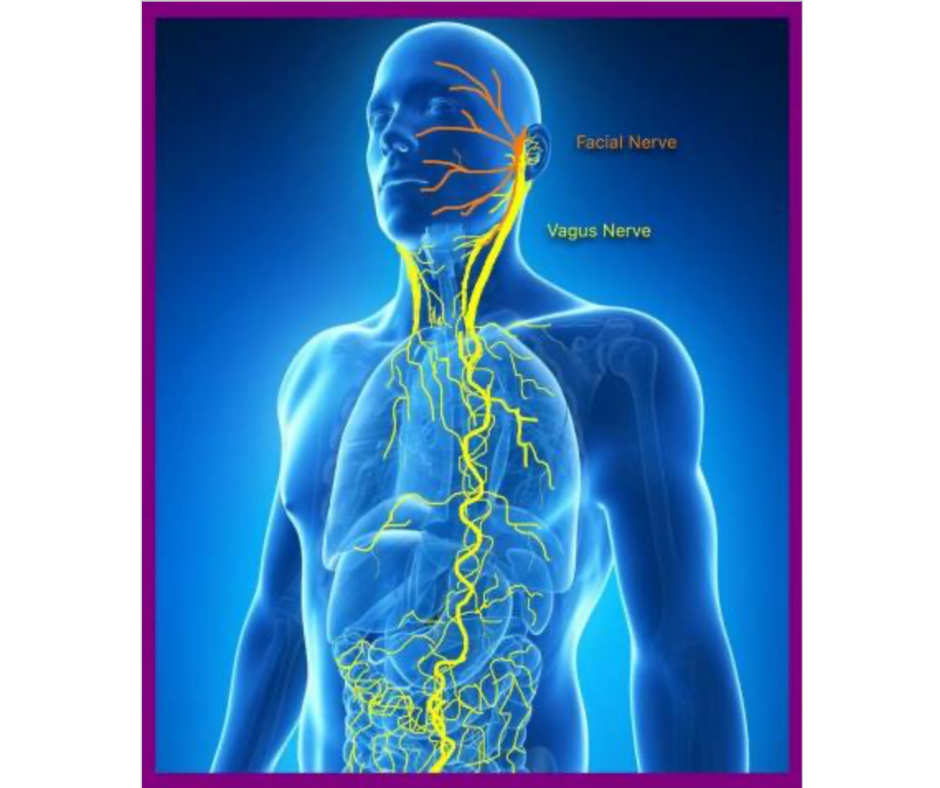
The vagus nerve is one of the most remarkable structures in the human body. Its name comes from the Latin word for “wandering”, and that is exactly what it does. It travels from the brainstem down through the neck and into the heart, lungs, and digestive organs, carrying information constantly between brain and body [1].
It forms a central part of the parasympathetic nervous system — the branch responsible for rest, repair, and recovery.
When vagal function is healthy, the body is better able to regulate stress, maintain cardiovascular balance, support digestion, and regulate emotional responses [2].
Researchers often measure vagal function using heart rate variability — the subtle variation between heartbeats. Higher variability reflects greater adaptability and resilience, and has been associated with better overall health and longevity [3].
This is why the vagus nerve has attracted so much attention in recent years.
2) The Medical Origins of Vagus Nerve Stimulation
It is important to understand that vagus nerve stimulation did not originate as a wellness trend.
It began as a medical treatment.
Since the 1990s, surgically implanted vagus nerve stimulators have been used to help patients with severe epilepsy that does not respond to medication. Clinical trials have shown that this intervention can significantly reduce seizure frequency in many patients [4].
Later, vagus nerve stimulation was also approved for treatment-resistant depression, where conventional treatments had failed [5].
This implanted therapy involves direct stimulation of the nerve using a small pulse generator placed inside the body.
It is important to emphasise this point.
This is not the same as clipping a device onto the ear.
3) The Theory Behind Ear-Based Stimulation
The ear contains a small branch of the vagus nerve, particularly around the tragus and concha regions [6].
This has led to the development of non-invasive devices designed to stimulate the nerve through the skin. This approach is known as transcutaneous auricular vagus nerve stimulation, or taVNS.
In theory, stimulating this branch may influence the wider vagal system.
But theory and proven clinical effect are not always the same thing.
4) What the Research Shows So Far
Research into ear-based vagus nerve stimulation is ongoing, and some results are promising.
Small studies have found modest improvements in mood, anxiety symptoms, and heart rate variability in some participants [7].
However, systematic reviews — which analyse multiple studies together — consistently conclude that evidence remains limited, with inconsistent findings and a need for larger, higher-quality trials.
In particular, claims that these devices significantly reduce inflammation in humans remain unproven. While animal and laboratory studies suggest potential mechanisms, human clinical evidence is still inconclusive.
This distinction is important.
Because marketing often presents emerging hypotheses as established facts.
5) Why Some People Do Feel Better
This is where the story becomes especially interesting.
Many people who use these devices do report feeling calmer.
But when you look more closely at how they are used, something else is happening.
People sit down. They rest. They breathe more slowly. They take time away from stimulation and distraction.
These behaviours themselves activate the parasympathetic nervous system.
In other words, the nervous system responds not only to the device — but to the state of rest surrounding its use.
6) The Most Powerful Ways to Support Your Vagus Nerve
The reassuring truth is that your vagus nerve responds naturally to everyday behaviours.
Meditation has been shown to increase parasympathetic activity and improve emotional regulation.
Slow breathing practices can directly stimulate vagal pathways and reduce stress responses.
Regular physical activity improves autonomic balance and nervous system resilience.
Social connection also plays a powerful role in regulating vagal function and emotional wellbeing.
Sleep is profoundly important for vagus nerve response. Please take a look at the following articles here on my website: Can deep sleep rewire the anxious brain? Losing a night of sleep may increase Alzheimer’s marker.
These approaches are not technological.
They are biological.
They work by supporting the nervous system as it evolved to function.
7) A Balanced Perspective
Non-invasive vagus nerve stimulation devices are not inherently harmful, and research in this field is ongoing.
They may prove helpful for some individuals.
But based on current evidence, they should be viewed as experimental wellness tools rather than proven medical solutions. If you’ve got the £700 or thereabouts to spare, then go for it – on the basis that you may or may not get the results you’re seeking. Don’t buy into the hype… just yet!
Remember that marketing claims often move faster than the science.
And perhaps the most important message is this:
Your nervous system is not waiting for a device to heal!
It is responding constantly to your breathing, your thoughts, your environment, and your sense of safety.
Supporting those foundations remains the most reliable path to restoring balance.
Follow the suggestions in my latest book “Rewind Your Body Clock: The Complete Natural Guide to a Happier, Healthier, Younger You“. I’m very proud to say that this book went into Amazon at number one of all books and has gone on to become an international number one bestseller. It is available in all formats and also has gone into Spanish translation – also available in various formats.
References
- StatPearls: Anatomy, Head and Neck, Vagus Nerve
- Heart Rate Variability and Health: Implications for Stress and Disease
- Heart Rate Variability and Longevity
- Vagus Nerve Stimulation for Epilepsy
- Systematic Review of Transcutaneous Vagus Nerve Stimulation
- Vagus Nerve Stimulation and Inflammation
- Vagus nerve as a gut-brain modulator
All external resources are provided for educational purposes and reflect current evidence and public health guidance at the time of publication.
Picture credit: Path of the Vagus Nerve. The image shows the path of the vagus nerve (and a section of the facial nerve). Contributed by B Bordoni, PhD